How to Set Timezone Using timedatectl Command in Linux ?
Set Timezone Using timedatectl Command in Linux
Check current time and timezone details :
option:1
[root@0.0.0.0]#
[root@0.0.0.0]#
[root@0.0.0.0]#
[root@0.0.0.0]# timedatectl status
Local time: Tue 2023-05-23 13:53:08 UTC
Universal time: Tue 2023-05-23 13:53:08 UTC
RTC time: Tue 2023-05-23 13:53:09
Time zone: UTC (UTC, +0000)
System clock synchronized: yes
NTP service: active
RTC in local TZ: no
[root@0.0.0.0]#
[root@0.0.0.0]#
Option:2
[root@0.0.0.0]#
[root@0.0.0.0]# timedatectl
Local time: Tue 2023-05-23 13:57:09 UTC
Universal time: Tue 2023-05-23 13:57:09 UTC
RTC time: Tue 2023-05-23 13:57:10
Time zone: UTC (UTC, +0000)
System clock synchronized: yes
NTP service: active
RTC in local TZ: no
[root@0.0.0.0]#
Get Timezone name using timedatectl:
[root@0.0.0.0]#
[root@0.0.0.0]# timedatectl list-timezones | grep -i kolkata
Asia/Kolkata
[root@0.0.0.0]#
Set timezone using timedatectl command :
[root@0.0.0.0]#
[root@0.0.0.0]#
[root@0.0.0.0]# timedatectl set-timezone "Asia/Kolkata"
[root@0.0.0.0]#
Validate time and timezone
[root@0.0.0.0]#
[root@0.0.0.0]# timedatectl
Local time: Tue 2023-05-23 19:28:34 IST
Universal time: Tue 2023-05-23 13:58:34 UTC
RTC time: Tue 2023-05-23 13:58:35
Time zone: Asia/Kolkata (IST, +0530)
System clock synchronized: yes
NTP service: active
RTC in local TZ: no
[root@0.0.0.0]#
[root@0.0.0.0]#
About the Author : Anurag Pandey | Database cloud Architect | Oracle | SQL Server | PostgreSQL | AI and Data Platform Enthusiast
Anurag Pandey is a Database Architect with expertise in Oracle, PostgreSQL, SQL Server, Linux, and enterprise database platforms and specializes in database architecture, performance tuning, high availability, disaster recovery, cloud modernization, and operational excellence. With extensive experience in enterprise-scale environments, Anurag is passionate about leveraging AI, automation, and modern data platforms to improve reliability, scalability, and business outcomes. He actively contributes to technical communities through knowledge sharing, architecture guidance, and thought leadership in database and data engineering domains.
Follow more articles at
Visit Blog

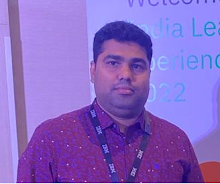 I am Anurag Pandey, working as Cloud Database Architect | Cloud Migration and Modernization Expert .Database Administration and Implementation. Provide technical guidance and work with global team. Extensive Experience in Database Installation and Configuration, Real Application Cluster (RAC), ASM, Dataguard , Patching, Upgrade, RMAN, Performance Tuning, Backup and Recovery, Azure, Google, AWS Cloud, AWS RDS, MySQL, Database Migration Service(DMS),CloudEndure - MGN, Azure Site Recovery, Azure Migrate, Datapump, terraform automation, Ansible, Audit, Email - anuragkumarjoy@gmail.com
No comments:
Post a Comment