Friday, August 30, 2019

Find Out Virtual Memory PAGESIZE on Linux


[root@localhost ~]# getconf PAGESIZE
4096
[root@localhost ~]# getconf PAGE_SIZE
4096
[root@localhost ~]#


[root@localhost ~]# getconf -a | grep -i pagesize
PAGESIZE                           4096
[root@localhost ~]#
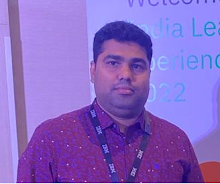
About the Author : Anurag Pandey | Database cloud Architect | Oracle | SQL Server | PostgreSQL | AI and Data Platform Enthusiast

Anurag Pandey is a Database Architect with expertise in Oracle, PostgreSQL, SQL Server, Linux, and enterprise database platforms and specializes in database architecture, performance tuning, high availability, disaster recovery, cloud modernization, and operational excellence. With extensive experience in enterprise-scale environments, Anurag is passionate about leveraging AI, automation, and modern data platforms to improve reliability, scalability, and business outcomes. He actively contributes to technical communities through knowledge sharing, architecture guidance, and thought leadership in database and data engineering domains.

Follow more articles at

Visit Blog

Flush Bad SQL Plan from Shared Pool


SQL>
SQL> show con_name

CON_NAME
------------------------------
CDB$ROOT
SQL>
SQL> select ADDRESS, HASH_VALUE from V$SQLAREA where SQL_Id='c99yw1xkb4f1u';

ADDRESS          HASH_VALUE
---------------- ----------
0000000064E29800 1689401402

SQL> exec DBMS_SHARED_POOL.PURGE ('0000000064E29800,1689401402','C');

PL/SQL procedure successfully completed.

SQL> select ADDRESS, HASH_VALUE from V$SQLAREA where SQL_Id='c99yw1xkb4f1u';

no rows selected

SQL>

About the Author : Anurag Pandey | Database cloud Architect | Oracle | SQL Server | PostgreSQL | AI and Data Platform Enthusiast

Anurag Pandey is a Database Architect with expertise in Oracle, PostgreSQL, SQL Server, Linux, and enterprise database platforms and specializes in database architecture, performance tuning, high availability, disaster recovery, cloud modernization, and operational excellence. With extensive experience in enterprise-scale environments, Anurag is passionate about leveraging AI, automation, and modern data platforms to improve reliability, scalability, and business outcomes. He actively contributes to technical communities through knowledge sharing, architecture guidance, and thought leadership in database and data engineering domains.

Follow more articles at

Visit Blog

PLS-00201: identifier 'DBMS_SHARED_POOL.PURGE' must be declared


To declare the DBMS_SHARED_POOL.PURGE you have to run dbmspool.sql under ORACLE_HOME/rdbms/admin/  directory

SQL> exec DBMS_SHARED_POOL.PURGE ('0000000064E29800,1689401402','C');
BEGIN DBMS_SHARED_POOL.PURGE ('0000000064E29800,1689401402','C'); END;

      *
ERROR at line 1:
ORA-06550: line 1, column 7:
PLS-00201: identifier 'DBMS_SHARED_POOL.PURGE' must be declared
ORA-06550: line 1, column 7:
PL/SQL: Statement ignored


[oracle@localhost admin]$ sqlplus "/as sysdba"

SQL*Plus: Release 12.2.0.1.0 Production on Fri Aug 30 16:55:58 2019

Copyright (c) 1982, 2016, Oracle.  All rights reserved.


Connected to:
Oracle Database 12c Enterprise Edition Release 12.2.0.1.0 - 64bit Production

SQL> show con_name

CON_NAME
------------------------------
CDB$ROOT
SQL>

SQL> @?/rdbms/admin/dbmspool.sql

Session altered.


Package created.


Grant succeeded.


Session altered.

SQL>

SQL> select ADDRESS, HASH_VALUE from V$SQLAREA where SQL_Id='c99yw1xkb4f1u';

ADDRESS          HASH_VALUE
---------------- ----------
0000000064E29800 1689401402

SQL> exec DBMS_SHARED_POOL.PURGE ('0000000064E29800,1689401402','C');

PL/SQL procedure successfully completed.

SQL> select ADDRESS, HASH_VALUE from V$SQLAREA where SQL_Id='c99yw1xkb4f1u';

no rows selected

SQL> show con_name

CON_NAME
------------------------------
CDB$ROOT
SQL>


About the Author : Anurag Pandey | Database cloud Architect | Oracle | SQL Server | PostgreSQL | AI and Data Platform Enthusiast

Anurag Pandey is a Database Architect with expertise in Oracle, PostgreSQL, SQL Server, Linux, and enterprise database platforms and specializes in database architecture, performance tuning, high availability, disaster recovery, cloud modernization, and operational excellence. With extensive experience in enterprise-scale environments, Anurag is passionate about leveraging AI, automation, and modern data platforms to improve reliability, scalability, and business outcomes. He actively contributes to technical communities through knowledge sharing, architecture guidance, and thought leadership in database and data engineering domains.

Follow more articles at

Visit Blog

Oracle Database Deep Health Check Checklist

Oracle Database Deep Health Check Checklist Recommended assessment levels Level Purpose Typical scope L1 Operational health Availability, sp...